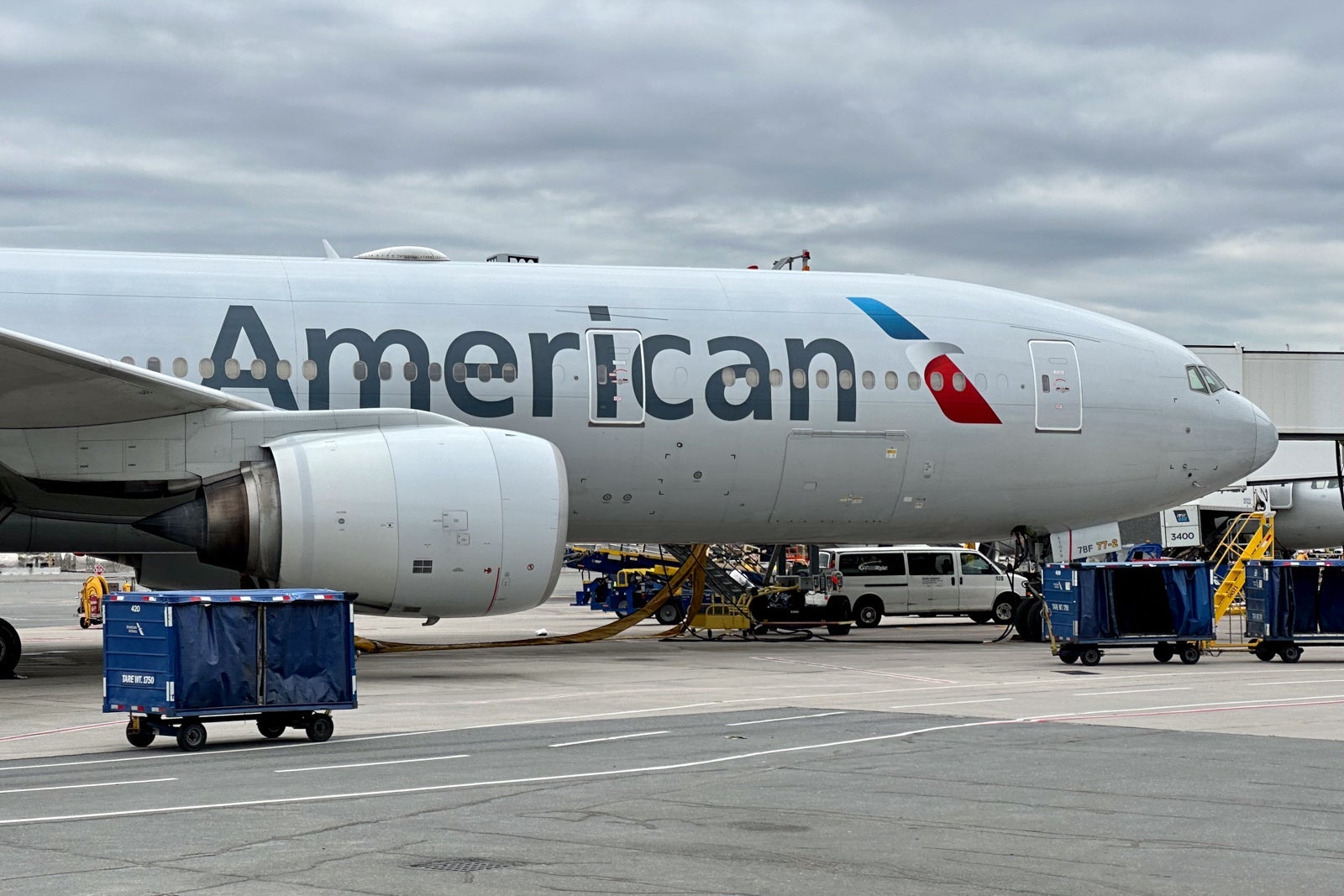
Capital One vs. Chase: Best Business Cards for Travel
Advertiser disclosure
The Points Guy believes that credit cards can transform lives, helping you leverage everyday spending for cash back or travel experiences that might otherwise be out of reach. That’s why we publish a variety of editorial content and card comparisons: to help you find a great card to turn your goals into reality.
Our site may earn compensation when a customer clicks on a link, when an application is approved, or when an account is opened with our partners, and this may impact how or where these products appear. While we don’t cover all available credit cards, our editorial team creates and maintains all of the analysis of these cards, and our content is not influenced nor subject to review by any credit card company, bank or partner prior to (or after) publication. Please view our advertising policy and product review methodology for more information.

October 26, 2026 • 16 min read
The cards we feature here are from partners who compensate us when you are approved through our site, and this may impact how or where these products appear. We don’t cover all available credit cards, but our analysis, reviews, and opinions are entirely from our editorial team. Terms apply to the offers listed on this page. Please view our advertising policy and product review methodology for more information.
Editorial note: This story has been reviewed by Capital One for accuracy. However, the editorial content and opinions expressed in the article are the author’s.
Business travel is a lot more enjoyable when your expenses earn valuable rewards and your card is making life on the road a little easier.
Both Capital One and Chase offer business cards that can do just that, but their strengths aren’t the same. From earning and redeeming rewards to airport lounge access and travel protections, here’s how they compare and which issuer might be the better fit for your business.
Related: Who qualifies for a business credit card?
Capital One vs. Chase business travel cards at a glance
Among their business card offerings, Capital One and Chase each have a premium travel card alongside a more affordable option. Here’s a side-by-side look at their annual fees, earning rates and major travel benefits.
| Annual fee | $395 | $95 | $795 | $95 |
| Everyday earning | 2 miles per dollar spent | 2 miles per dollar spent | 1 point per dollar spent | 1 point per dollar spent |
| Bonus-earning |
|
|
|
|
| Airport lounge access | Capital One Lounges and participating Priority Pass lounges | No complimentary lounge membership | Chase Sapphire Lounges and participating Priority Pass lounges | No complimentary lounge membership |
| Key travel credits | $300 annual Capital One Business Travel credit | $50 annual Capital One Business Travel credit | $300 annual travel credit, plus other eligible statement credits | No comparable annual travel credit |
| TSA PreCheck/Global Entry credit | Up to $120 every four years | Up to $120 every four years | Up to $120 every four years (also covers Nexus) | None |
Capital One vs. Chase business card welcome offers
A generous welcome offer can be a great way to give your business a head start toward its next trip. Fortunately, each of the cards mentioned includes one.
Here’s how these four cards’ offers compare:
| Card | Welcome offer |
|---|---|
| Capital One Venture X Business | For a limited time, earn up to 300,000 bonus miles and a $1,000 travel credit: 150,000 bonus miles after spending $40,000 on purchases in the first four months from account opening, plus an additional 150,000 bonus miles and a $1,000 Capital One Business Travel credit (to use in the first cardholder year) after spending $120,000 total on purchases in the first four months from account opening. |
| Capital One Venture Business | Earn 100,000 bonus miles after spending $10,000 on purchases in the first three months from account opening. |
| Sapphire Reserve for Business | Earn 200,000 bonus points after spending $30,000 on purchases in the first six months from account opening. |
| Ink Business Preferred | Earn 100,000 bonus points after spending $8,000 on purchases in the first three months from account opening. |
The Venture X Business offers the largest bonus for a limited time, with four months to meet its substantial spending requirement. According to TPG’s October 2026 valuations, Chase Ultimate Rewards points are worth 2.05 cents apiece, while Capital One miles are worth 1.85 cents apiece. Make sure to take those valuations into consideration when thinking about which of these welcome bonuses is more valuable.
Businesses with more modest expenses will probably find the Venture Business or Ink Business Preferred offers much easier to earn.
Capital One vs. Chase: Which is better for earning business travel rewards?
Capital One’s biggest advantage is consistency. Whether your business spends heavily on inventory, equipment or other everyday purchases, you’ll earn the same 2 miles per dollar spent with either card. There’s no need to track bonus categories for typical business purchases or worry about spending caps.
That simplicity comes with a trade-off, though. Businesses that spend heavily on travel or advertising could earn more with Chase, particularly if those purchases fall into its higher-earning categories.

The Sapphire Reserve for Business is especially appealing for businesses with substantial airfare and hotel expenses, thanks to its elevated earning rates on direct bookings.
Meanwhile, the Ink Business Preferred is a strong fit for businesses that spend heavily on shipping, telecommunications or eligible advertising. Just remember that as of Nov. 15, both Chase cards cap certain bonus earnings, while Capital One’s everyday earning rate is unlimited.
Best for everyday spending: Capital One
Best for bonus categories: Chase
For businesses with varied expenses, Capital One makes earning rewards practically effortless. But if your spending consistently falls into Chase’s bonus categories, the extra points could easily outweigh the convenience of a flat earning rate.
Capital One vs. Chase: Which has better redemption options?
Airline and hotel transfer partners
Both programs let you transfer rewards to airline and hotel partners, often providing opportunities to get more value than you would through a travel portal.
According to our valuations, Capital One miles are worth 1.85 cents apiece, while Chase Ultimate Rewards points are worth slightly more at 2.05 cents apiece. However, the value you actually get depends on how you redeem your rewards.
Booking travel through each issuer
Capital One miles are worth 1 cent apiece when booking flights, hotels and other eligible travel through Capital One Business Travel. You can also book directly with an airline, hotel or other travel provider, then use your miles to cover eligible purchases made within the past 90 days. Either way, 50,000 miles can cover $500 in travel expenses.

Chase Ultimate Rewards points are also worth 1 cent apiece when booking through Chase Travel, but Points Boost can increase that value on select flights and hotels. Sapphire Reserve for Business cardholders can get up to 2 cents per point, while Ink Business Preferred cardholders can get up to 1.75 cents per point on eligible bookings.
Chase also lets you redeem points for cash back at 1 cent apiece, giving you the freedom to spend that money however you like, including on travel booked directly. Capital One offers cash-back redemptions, too, but at a much lower value of 0.5 cents per mile.
Best for straightforward travel redemptions: Capital One
Best for redemption flexibility: Chase
Chase has the edge in redemption flexibility, offering more ways to get at least 1 cent per point and potentially greater value through Points Boost.
Capital One vs. Chase: Which offers better business travel perks?
Both issuers offer some compelling perks for frequent business travelers, but the biggest benefits are concentrated in their premium cards.
Airport lounge access
The Venture X Business provides complimentary access to Capital One Lounges and Landings, along with participating Priority Pass lounges. Cardholders can bring up to two complimentary guests into participating Priority Pass lounges. Guests at Capital One Lounges and Landings, however, require $75,000 in annual spending to qualify for complimentary access. Additional cardholders can receive lounge access for $125 annually.
Best for premium lounge access at a lower annual fee: Capital One
Best for complimentary lounge guests: Chase
Travel credits
The Venture X Business offers a $300 annual Capital One Business Travel credit, plus 10,000 anniversary bonus miles starting after your first year. The Venture Business provides a smaller $50 annual credit for bookings through Capital One Business Travel.
Bookings require a minimum two-night stay. Starting Jan. 1, 2027, that benefit increases to up to $1,000 annually, divided into four credits of up to $250 each.

The Ink Business Preferred doesn’t have a comparable annual travel credit, but its $95 annual fee makes that omission easier to accept.
Best for flexible travel credits: Chase
Best for simple annual benefits: Capital One
Travel protections
Travel protections are another important consideration, especially when a delayed flight or canceled trip could disrupt your business. Coverage, eligibility requirements and exclusions vary by card, so be sure to review your card’s Guide to Benefits for full details.
The Capital One Venture X Business and Venture Business offer protections such as rental car coverage and lost luggage reimbursement. The Venture X Business also includes trip cancellation and interruption coverage, although its limits are lower than what’s offered by Chase.
Both the Sapphire Reserve for Business and Ink Business Preferred include trip cancellation and interruption insurance, primary rental car coverage for eligible business rentals and trip delay reimbursement. The Sapphire Reserve for Business offers higher cancellation coverage limits than the Ink Business Preferred.
Best for travel protections: Chase
While all four cards offer useful coverage, Chase has an advantage for trip cancellations and delays, with strong protections available even on its lower-fee business card.
Rental car and hotel elite status
Both Capital One business cards offer complimentary Hertz elite status. The Venture X Business comes with top-tier Hertz President’s Circle status*, while the Venture Business provides mid-tier Five Star status*. These benefits can help frequent renters skip the counter, access a wider selection of vehicles and receive upgrades.
Best for rental car status: Capital One
Best for hotel and airline status: Chase
*Upon enrollment, accessible through the Capital One website or mobile app, eligible cardholders will remain at that status level through the duration of the offer. Please note, enrolling through the normal Hertz Gold+ Rewards enrollment process (e.g., at Hertz.com) will not automatically detect a cardholder as being eligible for the program and cardholders will not be automatically upgraded to the applicable status tier. Additional terms apply.
Which is better for your business: Capital One or Chase?
The best business travel card isn’t always the one with the longest list of benefits. It’s the one that rewards your spending habits and offers perks you’ll actually use.
Choose Capital One if you want straightforward rewards on everyday purchases, flexible travel redemptions and premium perks at a lower annual fee. For businesses that prefer a $95 annual fee, the Venture Business offers unlimited 2 miles per dollar spent without bonus categories to track.
Choose Chase if your business spends heavily in eligible bonus categories, you value partners like United MileagePlus and World of Hyatt or you prioritize travel protections. At the $95 annual-fee level, the Ink Business Preferred is especially appealing for businesses that can maximize its bonus categories.
Both issuers offer valuable lounge access and travel credits through their premium cards. Capital One’s Venture X Business costs considerably less, while the Sapphire Reserve for Business offers more flexible travel credits and more generous lounge guest privileges.
Can you have both Capital One and Chase business cards?
There’s no rule saying you have to choose between Capital One and Chase. In fact, carrying cards from both issuers could be a smart strategy for businesses that spend heavily on travel.

Having access to both rewards programs also gives you more airline and hotel transfer partners to choose from, along with additional travel perks. Just make sure you’re getting enough value to justify paying two annual fees, especially if some of the benefits overlap.
Bottom line
Both Capital One and Chase offer valuable business travel cards, but the right choice depends on your spending habits and which benefits you’ll actually use.
Capital One is particularly appealing for businesses that value simple rewards, while Chase offers stronger bonus categories, travel protections and additional perks for frequent travelers. And if you can justify the annual fees, there’s no reason you can’t carry cards from both issuers.
For Capital One products listed on this page, some of the benefits may be provided by Visa® or Mastercard® and may vary by product. See the respective Guide to Benefits for details, as terms and exclusions apply.